Microvascular Reconstructive Head & Neck Surgery in Ahmedabad
About Microvascular Reconstructive Surgery
Head and neck cancer surgery can sometimes require removal of a significant amount of tissue from the mouth, throat, jaw or face. When a large defect is created, reconstruction may be needed to restore the affected area and support important functions.
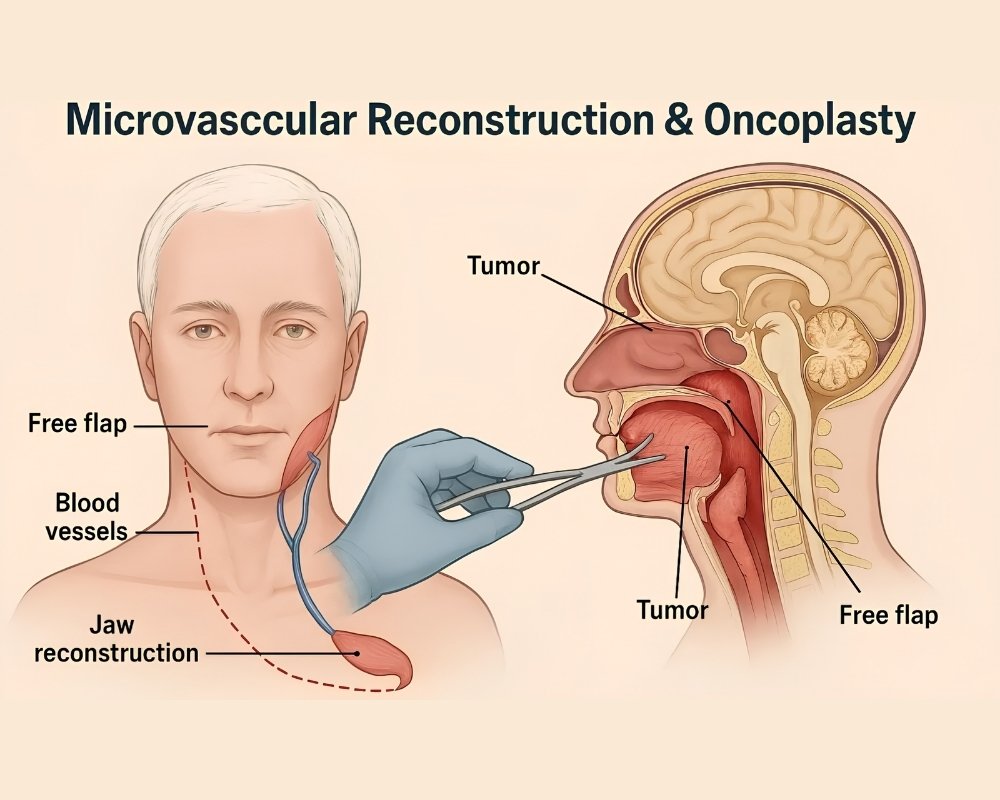
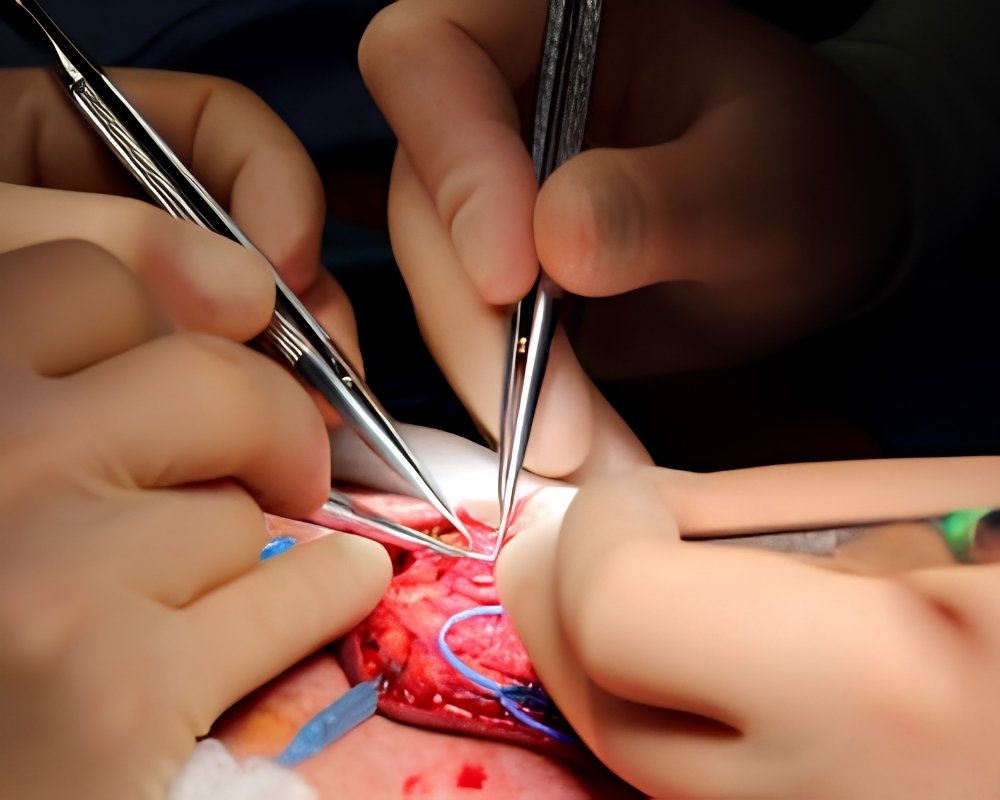
Microvascular reconstruction uses tissue taken from another part of the body and transfers it to the surgical site. Tiny blood vessels in the transferred tissue are connected to blood vessels in the neck using microsurgical techniques.
Dr. Akshar Patel has expertise in Microvascular Reconstructive Head & Neck Surgery in Ahmedabad, including reconstruction following complex cancer resections involving the oral cavity, jaw, tongue and other head and neck structures.
When Is Microvascular Reconstruction Needed?
Not every head and neck cancer operation requires complex reconstruction. It is generally considered when removing the tumour leaves a defect that cannot heal or function adequately without replacing the missing tissue. Reconstruction may be required when there is:
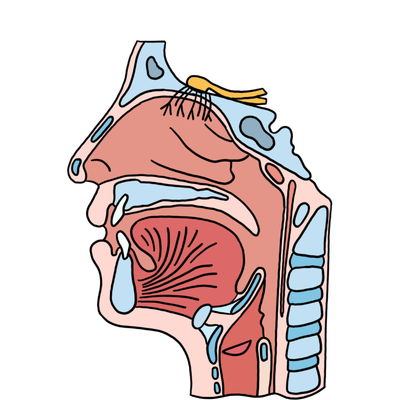
Extensive removal of oral cavity tissue
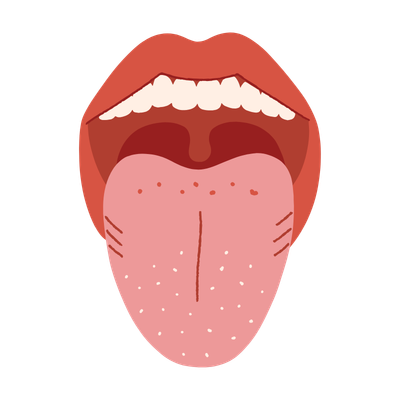
Partial or complete tongue resection
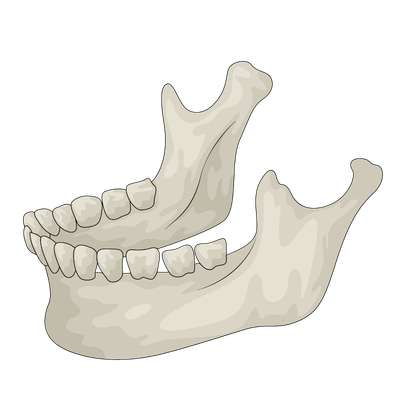
Removal of part of the jawbone
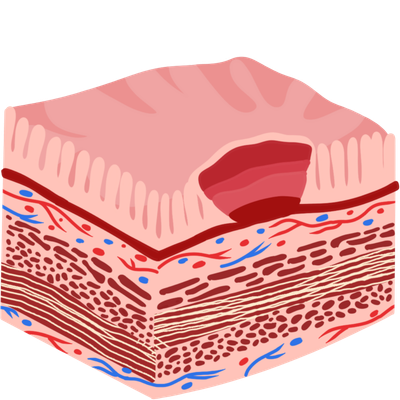
Major soft-tissue loss after tumour removal
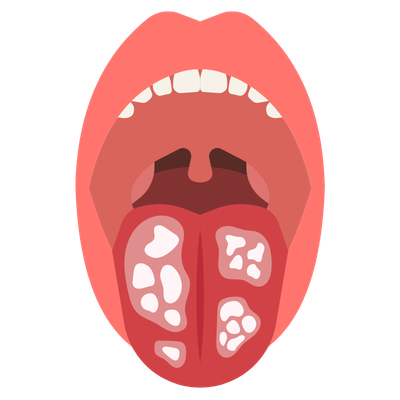
Complex defects involving multiple structures
What Can Be Reconstructed?
Different parts of the head and neck may require different types of tissue for reconstruction. The choice depends on what has been removed and which functions need to be restored.
How Do We Decide What You Need?
The reconstruction depends on the size and location of the defect created during cancer surgery. The type of tissue required is assessed before the operation so that the reconstruction can be planned alongside tumour removal.
01
Surgical Defect
The expected area and amount of tissue to be removed are assessed to determine the reconstructive requirements.
02
Functional Needs
Speech, swallowing, chewing and other functions are considered when selecting the appropriate reconstructive method.
03
Tissue Requirements
The surgeon determines whether the defect requires soft tissue, bone, skin or a combination of different tissues.
04
Donor Sites
Suitable areas of the body are assessed to identify tissue that can safely provide the required reconstruction.
How Is Reconstruction Planned?
Reconstruction is planned together with the cancer surgery rather than as a completely separate procedure. The surgeon first determines what tissue must be removed to achieve adequate cancer clearance.
The reconstructive method is then selected according to the size and location of the defect, the tissue required and the functions that need to be preserved or restored. The surgical plan may involve:
- Soft-tissue free flap reconstruction
- Bone-containing free flap reconstruction
- Microvascular blood vessel connection
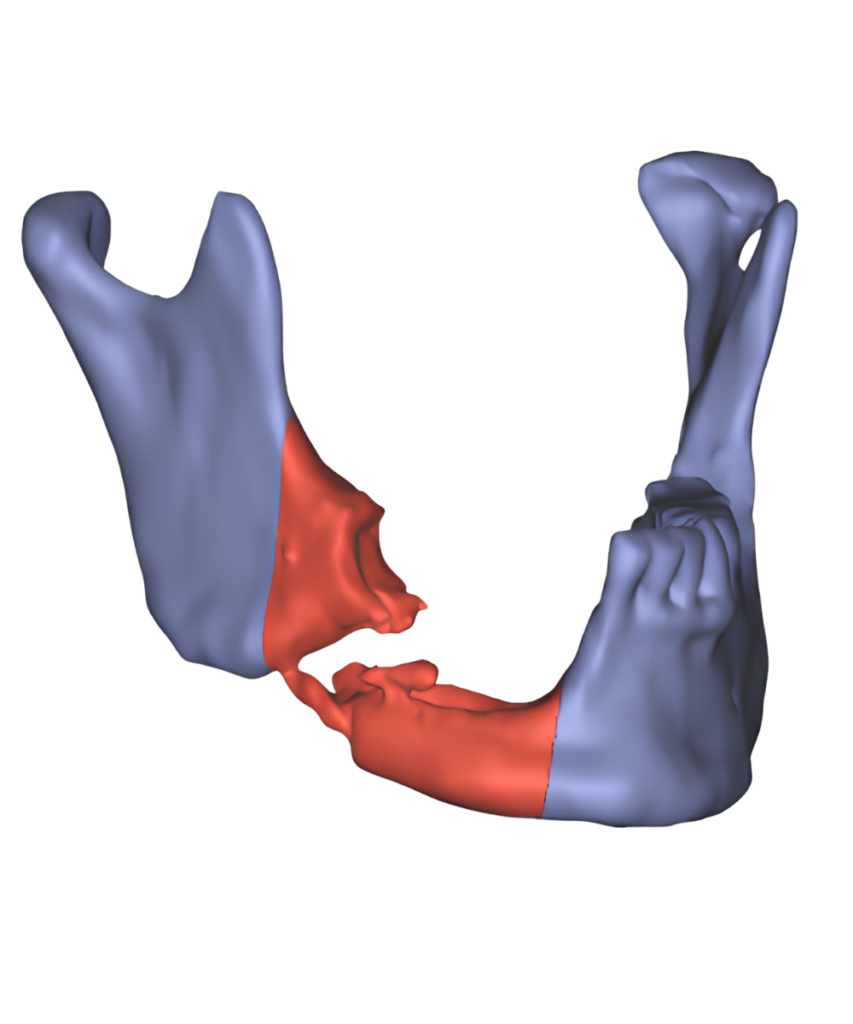
- Reconstruction following jawbone removal
- Reconstruction following tongue or oral resection
Your Head & Neck Reconstructive Surgeon
Dr. Akshar Patel is a Board-certified Head & Neck Surgical Oncologist with expertise in complex cancer resections and microvascular reconstructive procedures.
His surgical practice includes microvascular reconstruction, oral cancer surgery, thyroid and parathyroid surgery, neck dissection, minimally invasive procedures and complex head and neck resections.
For patients requiring reconstruction after cancer surgery, the procedure is planned around both adequate tumour removal and restoration of the affected anatomy. The reconstruction may involve soft tissue, bone or a combination of tissues depending on the surgical defect.
He is an active member of the Indian Association of Surgical Oncology (IASO), American Society of Clinical Oncology (ASCO), and Society of Surgical Oncology (SSO) and participates in national and international oncology meetings and academic activities.

Dr. Akshar Patel - Consultant Head & Neck Cancer Surgeon
What Does Microvascular Reconstruction Involve?
Microvascular reconstruction involves transferring healthy tissue from another part of the body to the head or neck and reconnecting its blood supply under magnification.
Tissue Selection
The type of tissue required depends on whether the defect needs skin, soft tissue, muscle, bone or a combination of these.
Flap Harvesting
The selected tissue is carefully removed along with its supplying blood vessels while preserving the function of the donor area.
Microsurgical Transfer
The tissue is transferred to the head and neck, where its blood vessels are connected to suitable vessels using microsurgical techniques.
Defect Reconstruction
The transferred tissue is shaped and positioned to replace the structures removed during cancer surgery and restore the required anatomy.
Flap Monitoring
After surgery, the reconstructed tissue is closely monitored to ensure that its blood supply remains adequate during the early recovery period.
What Happens During Your Oral Cancer Consultation?
A consultation focuses on understanding the planned cancer surgery and determining what type of reconstruction may be required.

Review Your Reports
Biopsy results, scans and details of the planned cancer resection are reviewed to understand the expected surgical defect.
Assess the Reconstruction
The affected area and available donor sites are assessed to determine what type of tissue may be suitable for reconstruction.
Discuss the Procedure
The reconstruction, expected hospital stay, possible feeding support, recovery and rehabilitation requirements are explained before surgery.
Frequently Asked Questions
Why is microvascular reconstruction needed after cancer surgery?
It may be required when cancer removal creates a large defect involving the mouth, jaw, tongue or other structures. Transferred tissue can help restore the missing anatomy and function.
Where does the tissue for reconstruction come from?
Tissue may be taken from areas such as the forearm, thigh, fibula or other suitable donor sites. The choice depends on the type and size of tissue required.
What is a free flap?
A free flap is tissue transferred from one part of the body to another along with its blood vessels. The vessels are then connected to blood vessels at the reconstruction site.
Does reconstruction happen during cancer surgery?
In many cases, reconstruction is performed during the same operation after the tumour has been removed. This allows the surgical defect to be reconstructed immediately.
How long does recovery take after reconstruction?
Recovery varies according to the cancer surgery, reconstruction and overall healing. Feeding, speech, swallowing and physical rehabilitation may continue for several weeks or longer.
Will I be able to eat normally after reconstruction?
The ability to eat depends on the location and extent of surgery and reconstruction. Some patients resume oral feeding gradually, while others initially require temporary feeding support.

Take the Next Step
When head and neck cancer surgery requires removal of significant tissue, reconstruction can help restore the affected anatomy and support important functions during recovery.
Dr. Akshar Patel provides microvascular reconstructive surgery as part of complex head and neck cancer treatment, including reconstruction involving soft tissue, bone and oral structures. Book a consultation to discuss your planned surgery and reconstructive options.