
Call Us

+91 8758607012

Our Location

Epic Multispecialty Hospital

Thyroid & Parathyroid Surgery in Ahmedabad

About Thyroid & Parathyroid Surgery

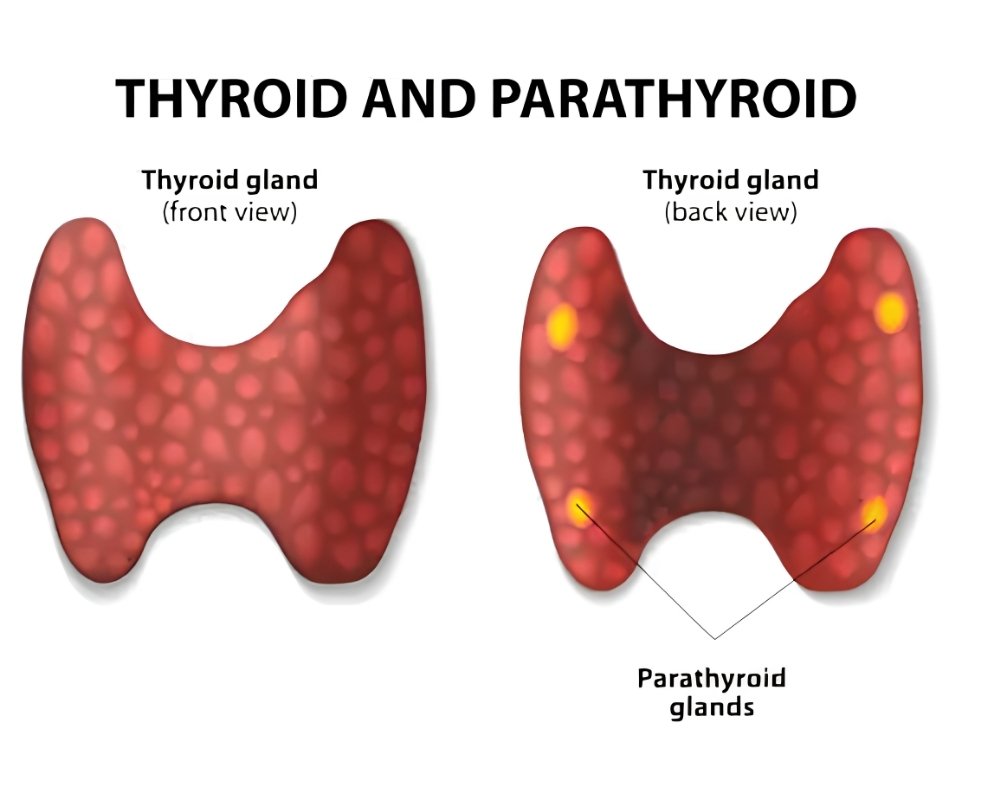
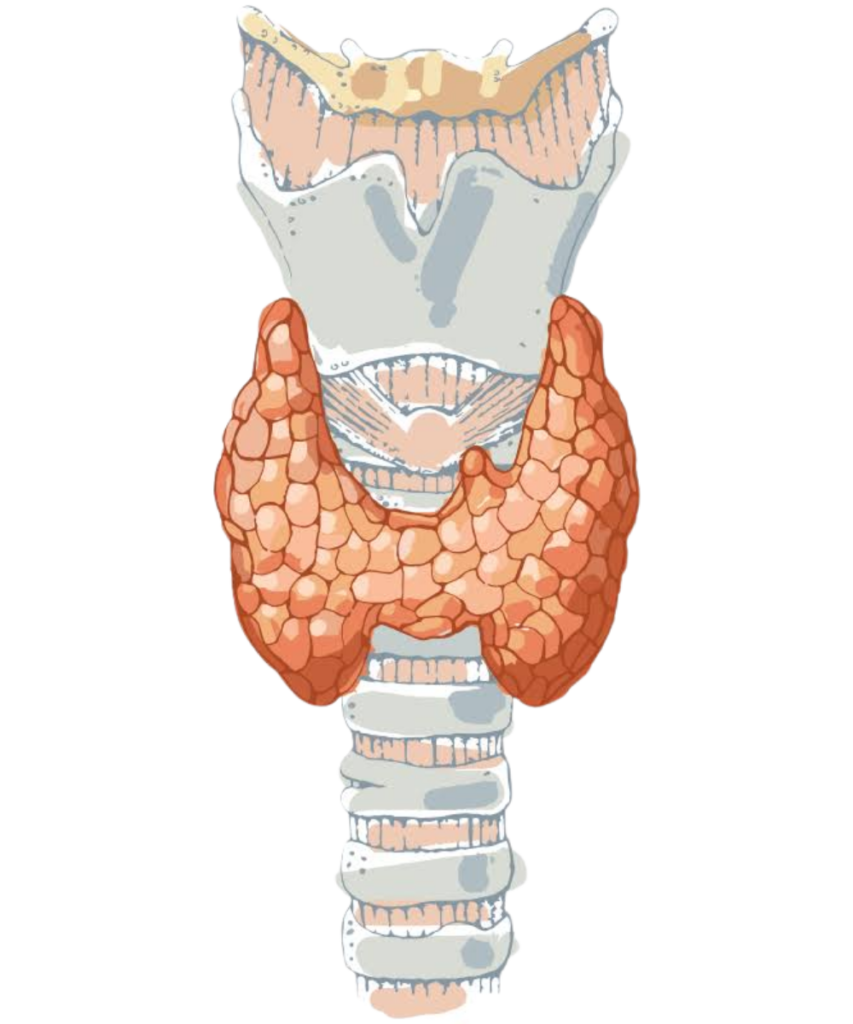
The thyroid and parathyroid glands play different roles in maintaining important functions in the body. Thyroid conditions may include nodules, goitre and thyroid cancer, while parathyroid disorders can cause abnormal calcium levels and related health problems.

Surgery may be recommended when a thyroid nodule is suspicious or cancerous, when a goitre causes pressure or swallowing problems, or when an overactive parathyroid gland needs to be removed. The type of operation depends on the gland involved, the underlying condition and the extent of disease.

Dr. Akshar Patel is a Head & Neck Surgical Oncologist with expertise in thyroid and parathyroid surgery, including procedures for thyroid cancer and complex gland-related conditions.

Techniques That Support Thyroid & Parathyroid Surgery

Modern thyroid and parathyroid surgery may use additional techniques to help identify important structures and assess tissue during the operation. Their use depends on the procedure, anatomy and clinical requirement.

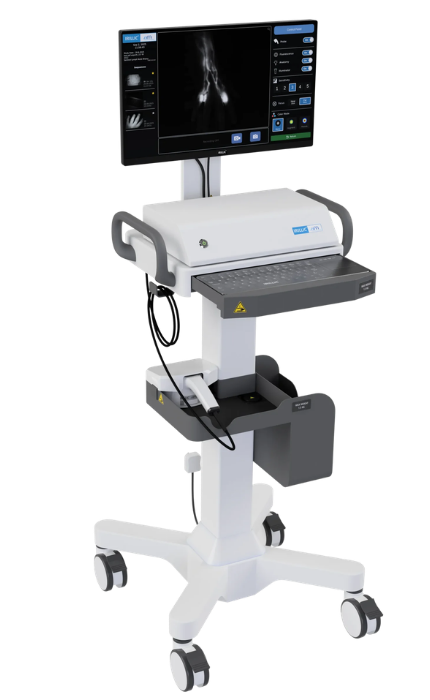
ICG Fluorescence Imaging

Indocyanine green (ICG) fluorescence can help visualise blood flow and identify vascularised tissue during selected thyroid and parathyroid procedures.
Nerve Neuromonitoring

Intraoperative nerve monitoring can help identify and monitor the recurrent laryngeal nerve and other relevant nerves during thyroid and parathyroid surgery.

Why These Techniques Matter

These technologies can provide additional information during surgery, supporting anatomical identification, nerve monitoring and assessment of tissue vascularity when clinically appropriate.
When Should You Get Your Thyroid Checked?

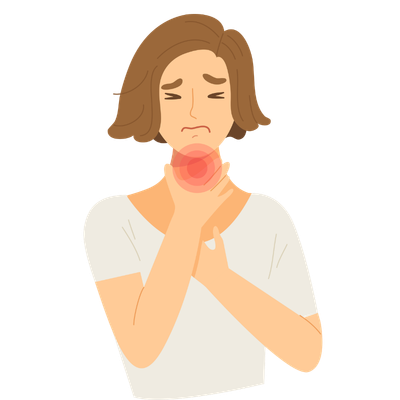
Many thyroid conditions do not cause obvious symptoms in the early stages. A new lump or change in the neck should therefore be evaluated rather than ignored. You should seek an evaluation if you notice:

A lump or swelling in the neck

A thyroid nodule found on scanning
Difficulty swallowing food or liquids
Pressure or tightness in the neck
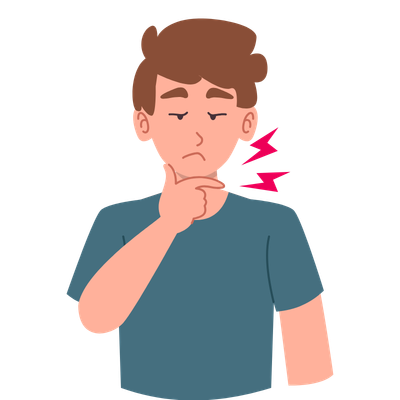
Persistent voice changes or hoarseness
What Thyroid and Parathyroid Conditions May Need Surgery?

Thyroid and parathyroid surgery is performed for several different conditions. The required procedure depends on the gland involved and the underlying problem.

Thyroid Nodules

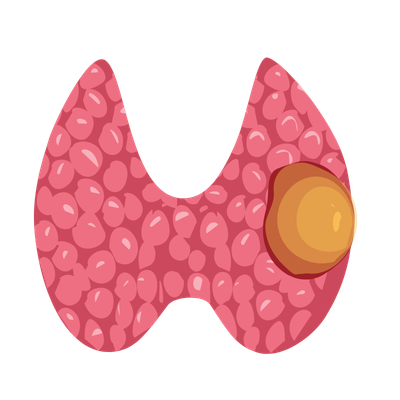
Most thyroid nodules are benign, but some require further evaluation or surgery when their appearance or test results raise concern.

Goitre

An enlarged thyroid may require surgery when it causes pressure symptoms, difficulty swallowing, breathing problems or significant enlargement.

Thyroid Cancer

Cancerous thyroid nodules may require removal of part or all of the thyroid, with the extent determined by the tumour and its spread.

Parathyroid Disease

An overactive parathyroid gland can cause excessive calcium levels and may require removal of the abnormal gland.

How Do We Know What Treatment Is Needed?

The diagnosis and extent of thyroid or parathyroid disease are assessed before deciding whether surgery is required.

01

Clinical Examination

The neck is examined for thyroid enlargement, nodules, lymph nodes and other changes that may indicate involvement of nearby structures.

02

Blood Tests

Thyroid function tests and calcium-related investigations help identify hormonal abnormalities and support the diagnosis.

03

Ultrasound

Thyroid ultrasound provides detailed information about nodules, their size and appearance, and the surrounding lymph nodes.

04

Fine-Needle Aspiration

When a thyroid nodule appears suspicious, a fine-needle aspiration may be performed to obtain cells for cytological examination.

How Is the Surgery Planned?

There is no single operation for every thyroid or parathyroid condition. The procedure is selected according to the diagnosis, gland involved and extent of disease.

Before surgery, examination findings, blood tests, ultrasound, biopsy and other imaging are reviewed to determine what needs to be removed and whether nearby lymph nodes or structures also require treatment.

Your Thyroid & Parathyroid Surgeon

Dr. Akshar Patel is a Board-certified Head & Neck Surgical Oncologist with dedicated expertise in thyroid and parathyroid surgery.

His surgical practice includes thyroid cancer surgery, thyroidectomy, parathyroid surgery, neck dissection and complex head and neck procedures. He also manages cancers involving the oral cavity, larynx, pharynx, salivary glands and skull base.

For thyroid and parathyroid conditions, his approach begins with establishing the exact diagnosis and extent of disease before deciding how much tissue needs to be removed. Surgical planning also considers important structures around the thyroid and parathyroid glands, particularly the nerves responsible for vocal cord movement.

He is an active member of the Indian Association of Surgical Oncology (IASO), American Society of Clinical Oncology (ASCO), and Society of Surgical Oncology (SSO) and participates in national and international oncology meetings and academic activities.

Dr. Akshar Patel - Consultant Head & Neck Cancer Surgeon

What Does Thyroid & Parathyroid Surgery Involve?

The exact procedure depends on the gland involved and the underlying condition. The extent of surgery is determined by the disease rather than by a fixed procedure for every patient.

What Happens During Your Oral Cancer Consultation?

A consultation focuses on establishing the diagnosis, reviewing available investigations and deciding whether surgery is appropriate.

Review Your History

Dr. Akshar Patel discusses your symptoms, previous treatment, thyroid or calcium-related test results and any changes noticed in the neck.

Assess the Disease

The neck is examined and available ultrasound, biopsy, blood tests and other imaging are reviewed to determine the nature and extent of the condition.

Discuss the Treatment

If surgery is appropriate, the type of operation, possible lymph node surgery, expected recovery and need for further treatment are explained before proceeding.

Frequently Asked Questions

No. Many thyroid nodules are benign and can be monitored. Surgery may be recommended when a nodule is suspicious, cancerous, large or causing significant pressure symptoms.

Thyroidectomy involves removing part or all of the thyroid gland. Parathyroidectomy involves removing one or more abnormal parathyroid glands that are producing excessive parathyroid hormone.

The nerves controlling the vocal cords run close to the thyroid gland. They are carefully identified and protected during surgery, although temporary or permanent voice changes can occur in some cases.

After total thyroidectomy, thyroid hormone replacement is generally required because the body can no longer produce sufficient thyroid hormone. After lobectomy, some patients may not need replacement.

No. The extent of surgery depends on the type, size, location and spread of the cancer. Selected thyroid cancers may be treated with removal of only the affected thyroid lobe.

Calcium levels are monitored after surgery because they can temporarily fall as the body adjusts. Calcium or vitamin D supplementation may be required in some patients during recovery.

Take the Next Step

If you have a thyroid nodule, enlarged thyroid, suspected thyroid cancer or a parathyroid disorder, the first step is to establish the exact cause and extent of the condition.

Dr. Akshar Patel provides surgical management for thyroid and parathyroid conditions, including thyroidectomy, parathyroidectomy and neck dissection when required.

Call Us

+91 87586 07012

Visit Us

Epic Hospital

Scroll to Top