Parotid & Salivary Gland Tumour Surgery in Ahmedabad
About Parotid & Salivary Gland Tumour Surgery
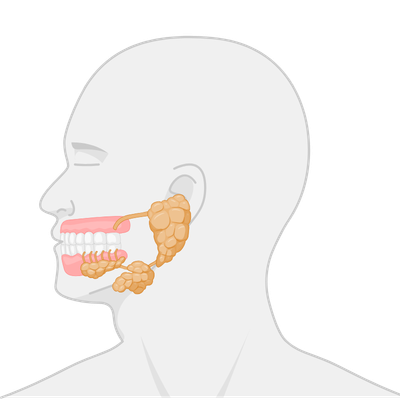
The salivary glands produce saliva and are located around the mouth, jaw and throat. Tumours can develop in the major glands, including the parotid and submandibular glands, as well as in smaller salivary glands throughout the mouth and throat.
Many salivary gland tumours are benign, but some can be cancerous. Surgery may be recommended based on the tumour’s type, size, location, growth pattern and relationship with nearby nerves and structures.
Dr. Akshar Patel is a Head & Neck Surgical Oncologist with expertise in Parotid & Salivary Gland Tumour Surgery in Ahmedabad, including surgery for benign and malignant tumours of the parotid and other salivary glands.
When Should You Get a Salivary Gland Lump Checked?
A salivary gland tumour may appear as a slowly growing lump, while other symptoms can develop when the tumour affects nearby nerves or structures. You should seek an evaluation if you notice:
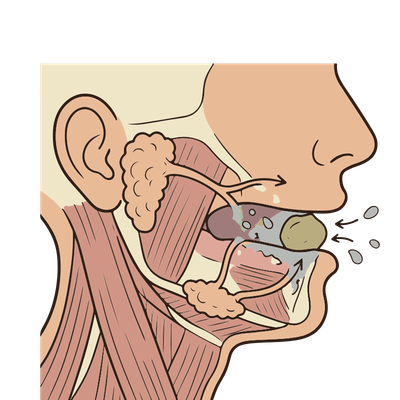
A persistent lump near the ear
Swelling below the
jaw
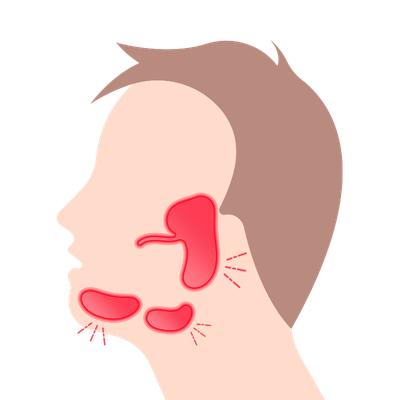
A lump inside the
mouth
Facial weakness or reduced movement
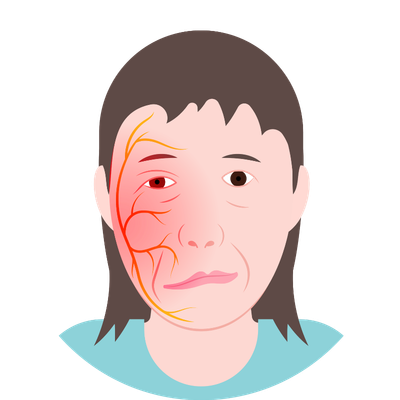
Persistent pain around the gland
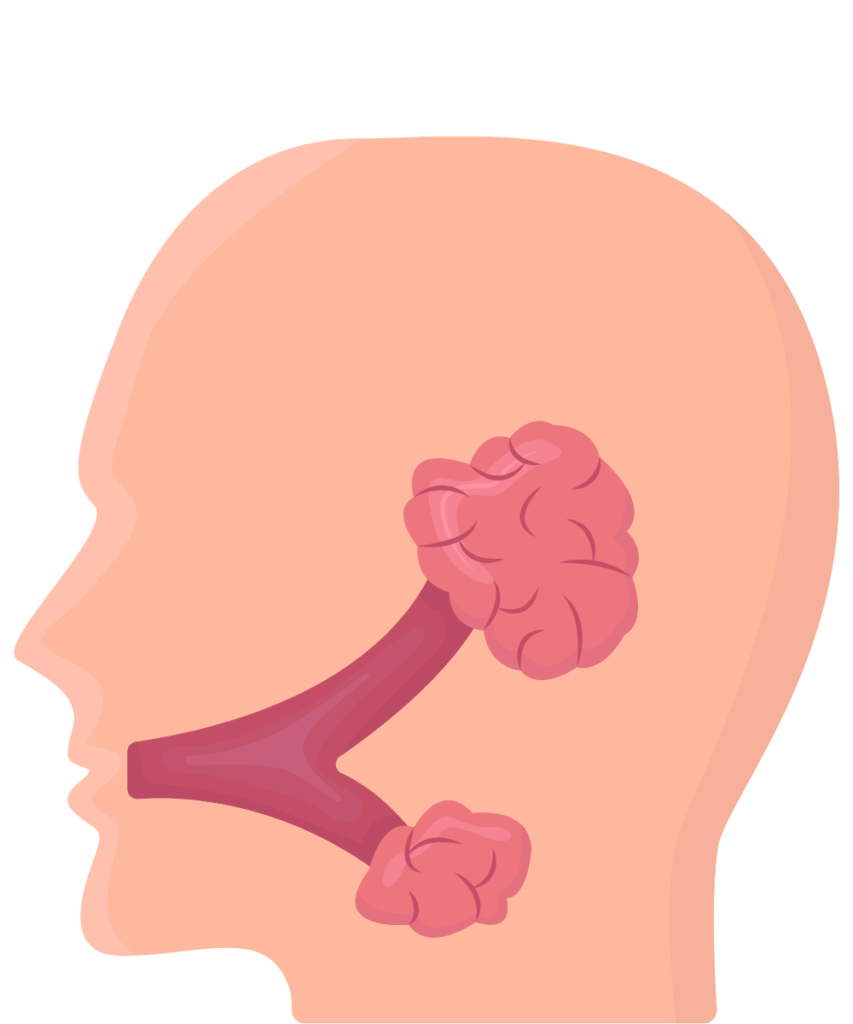
Where Can Salivary Gland Tumours Develop?
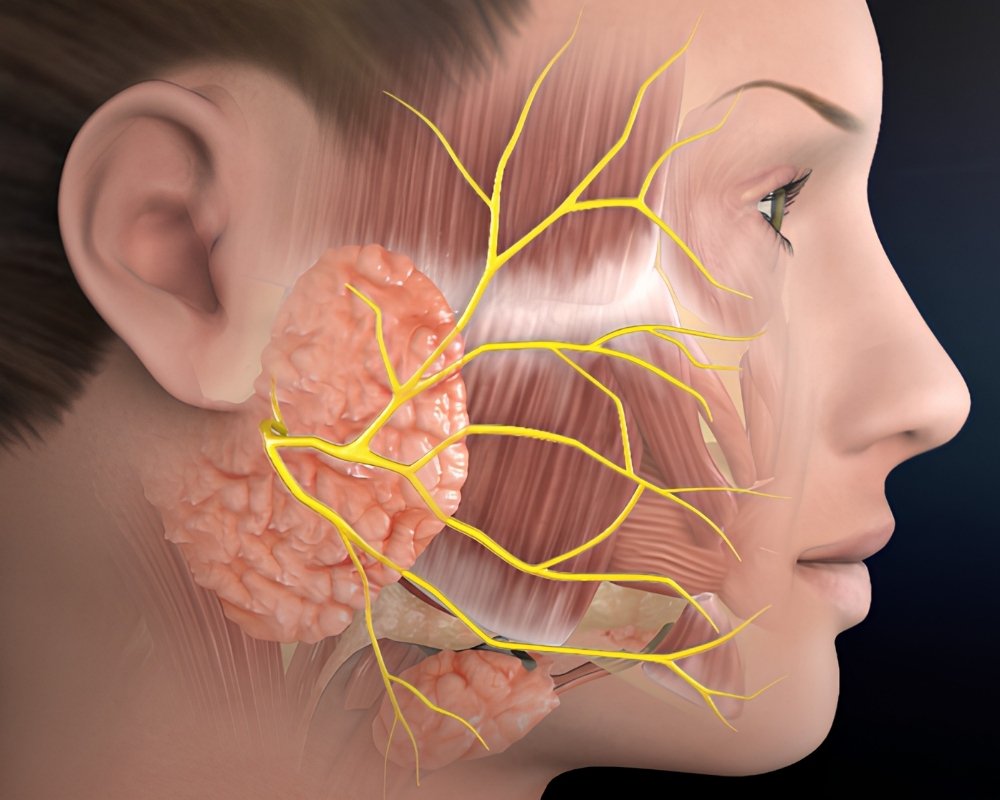
Salivary gland tumours can arise in both the major and minor salivary glands. Their location influences the examination, investigations and surgical approach.
How Do We Know What the Tumour Is?
A salivary gland lump needs assessment to determine whether it is benign, malignant or another type of lesion. The evaluation combines examination, imaging and tissue sampling when required.
01
Clinical Examination
The gland, mouth and neck are examined for the size, consistency and mobility of the swelling and any associated nerve changes.
02
Ultrasound
Ultrasound can assess the gland and provide information about the size and characteristics of a superficial tumour.
03
Needle Biopsy
Fine-needle aspiration or core biopsy may be used to obtain tissue or cells for pathological assessment.
04
Imaging
CT or MRI may be advised to assess deeper structures, tumour extent, nerve involvement and surrounding tissues.
How Do We Decide What Surgery Is Needed?
The surgical approach depends on whether the tumour is benign or malignant, where it is located and how it relates to nearby structures. These findings help determine the amount of gland and surrounding tissue that needs to be removed.The decision may consider:
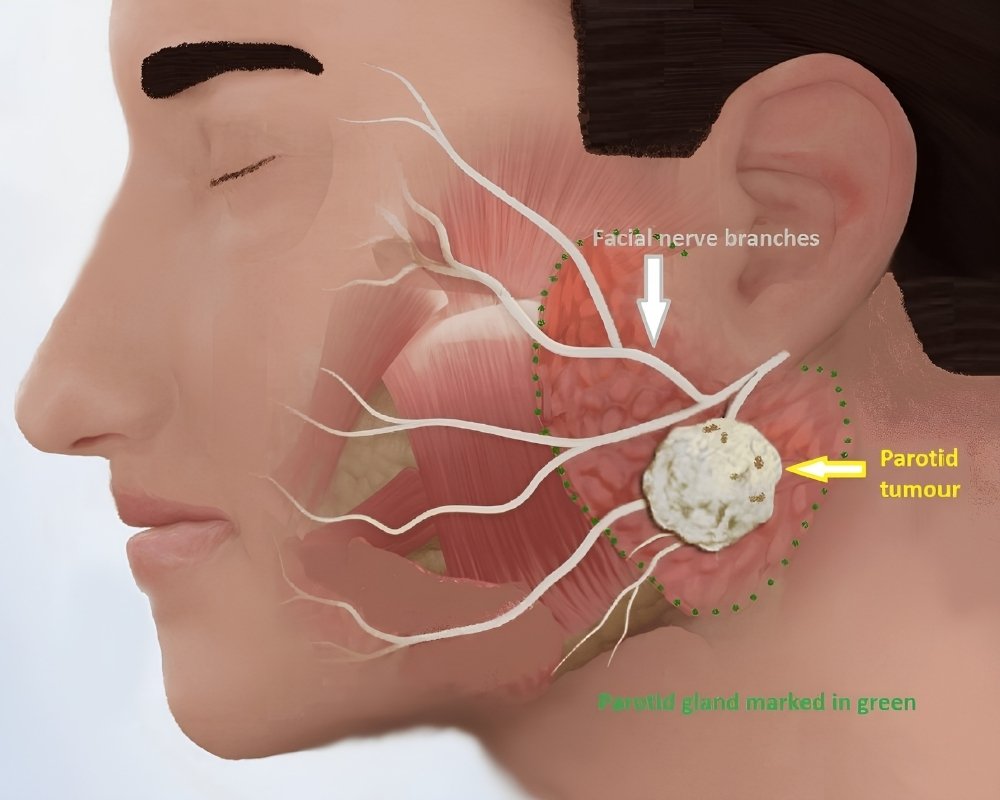
- Tumour size and exact location
- Benign or malignant pathology
- Facial nerve involvement or function
- Extension into nearby tissues
- Lymph node involvement
Your Salivary Gland Tumour Surgeon
Dr. Akshar Patel is a Board-certified Head & Neck Surgical Oncologist with dedicated expertise in the surgical management of salivary gland and parotid tumours.
His surgical practice includes parotid surgery, salivary gland tumour surgery, neck dissection, complex head and neck cancer resections and reconstructive procedures.
For parotid tumours, surgical planning requires particular attention to the facial nerve, which passes through the parotid gland and controls facial movement. The extent of gland removal is determined by the tumour while considering the surrounding nerves and structures.
He is an active member of the Indian Association of Surgical Oncology (IASO), American Society of Clinical Oncology (ASCO), and Society of Surgical Oncology (SSO) and participates in national and international oncology meetings and academic activities.

Dr. Akshar Patel - Consultant Head & Neck Cancer Surgeon
What Does Salivary Gland Tumour Surgery Involve?
The exact procedure depends on the gland involved and the nature of the tumour. The extent of surgery depends on the tumour rather than a fixed procedure for every patient.
Superficial Parotidectomy
The superficial portion of the parotid gland is removed for selected tumours while identifying and preserving the facial nerve when possible.
Total Parotidectomy
The entire parotid gland may be removed when the tumour involves deeper portions or requires a more extensive surgical resection.
Submandibular Gland Surgery
The affected submandibular gland is removed when a tumour develops within the gland and surgical treatment is indicated.
Tumour Resection
Tumours arising from minor salivary glands may require removal of the lesion along with an appropriate margin of surrounding tissue.
Neck Dissection
Selected lymph nodes and surrounding tissues may be removed when a malignant salivary gland tumour has spread or carries significant nodal risk.
What Happens During Your Parotid and Salivary Gland Tumour Consultation?
A consultation focuses on identifying the nature of the salivary gland tumour and determining the appropriate surgical approach.

Review Your Symptoms
Dr. Akshar Patel discusses the duration and growth of the swelling, pain, facial movement changes and other related symptoms.
Assess the Tumour
The salivary glands, face, mouth and neck are examined, while available ultrasound, biopsy, CT or MRI findings are reviewed.
Discuss the Treatment
If surgery is appropriate, the planned gland resection, facial nerve considerations, possible neck surgery, reconstruction and recovery are explained.
Frequently Asked Questions
Are all parotid tumours cancerous?
No. Many parotid tumours are benign, but they still require proper assessment because different tumour types can have different growth patterns and treatment requirements.
Will parotid surgery affect my facial movement?
The facial nerve passes through the parotid gland and is carefully identified during surgery. Temporary or permanent weakness can occur depending on the tumour and nerve involvement.
What is a parotidectomy?
Parotidectomy is surgery to remove part or all of the parotid gland. The extent of removal depends on the tumour’s location, type and relationship with surrounding structures.
Is a biopsy always needed before salivary gland surgery?
Not always. The need for needle biopsy depends on the clinical and imaging findings and whether knowing the tumour type before surgery will change management.
Can salivary gland tumours return after surgery?
Some tumours can recur after treatment, depending on their type, grade and extent. Regular follow-up helps monitor the surgical site and identify any new or changing findings.
Will I need additional treatment after surgery?
Some benign tumours may require no further treatment after complete removal. Malignant tumours may require radiation or other treatment depending on the final pathology and stage.

Take the Next Step
A persistent lump near the ear, below the jaw or inside the mouth should be evaluated to determine whether it involves a salivary gland and what type of lesion is present.
Dr. Akshar Patel provides surgical management for parotid and salivary gland tumours, including gland resection, neck dissection and reconstruction when required. Book a consultation to discuss your diagnosis, reports and surgical options.