
Call Us

+91 8758607012

Our Location

Epic Multispecialty Hospital

Head & Neck Cancer Surgery in Ahmedabad

About Head & Neck Cancer Surgery

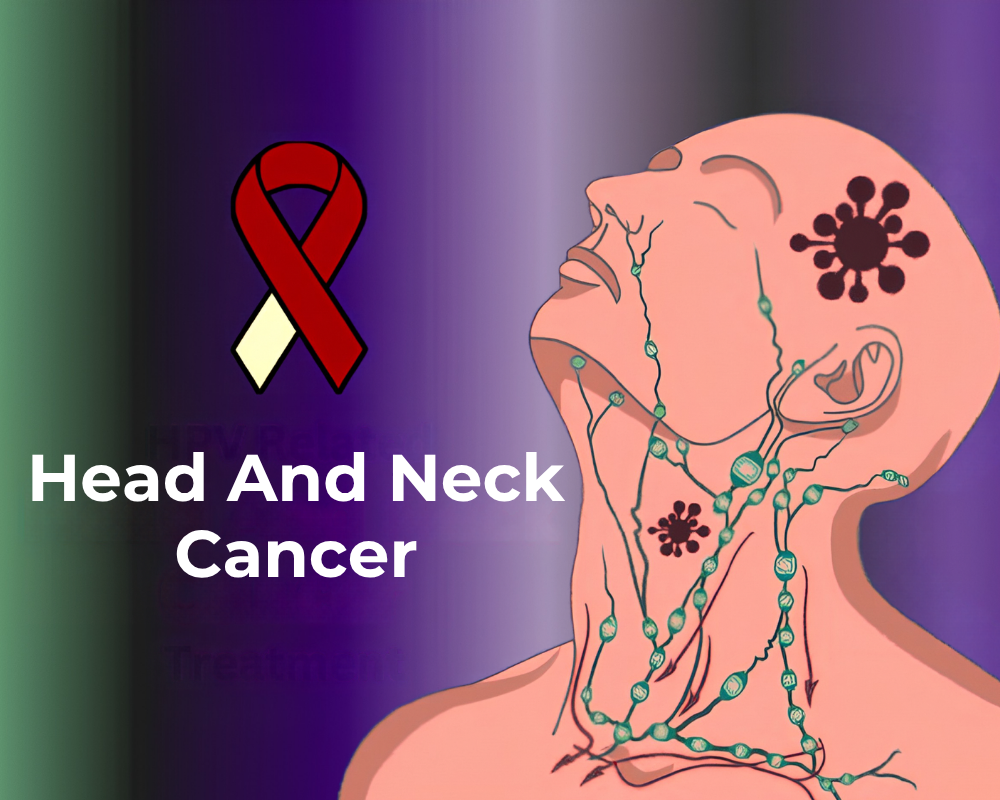
Head and neck cancers can develop in the oral cavity, throat, larynx, thyroid, salivary glands and other structures of the head and neck. The treatment required depends on the site of the cancer, its stage, involvement of nearby structures and overall health.

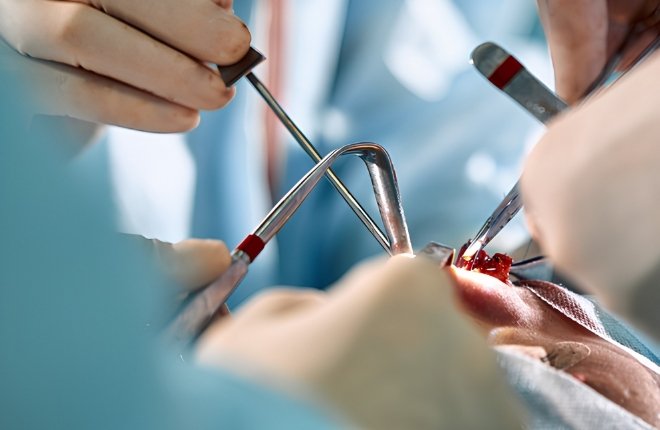
Surgery may involve removing the primary tumour, treating lymph nodes in the neck or reconstructing tissues removed during cancer surgery. Depending on the disease, minimally invasive, endoscopic or open surgical approaches may be considered.

Dr. Akshar Patel is a Board-certified Head & Neck Surgical Oncologist with expertise in the surgical management of cancers involving the oral cavity, larynx, thyroid, salivary glands, pharynx and skull base.

When Should You Get a Head & Neck Lump or Symptom Checked?

Many head and neck symptoms have causes other than cancer. However, persistent or unexplained changes should be assessed rather than repeatedly treated without identifying the cause. You should seek an evaluation if you notice:

A persistent lump in the neck
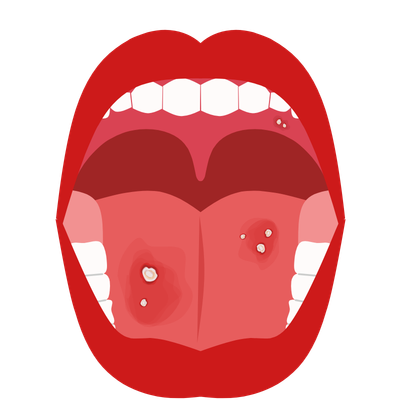
A mouth ulcer that does not heal
Persistent hoarseness or voice change
Difficulty swallowing or chewing
Persistent throat discomfort or pain
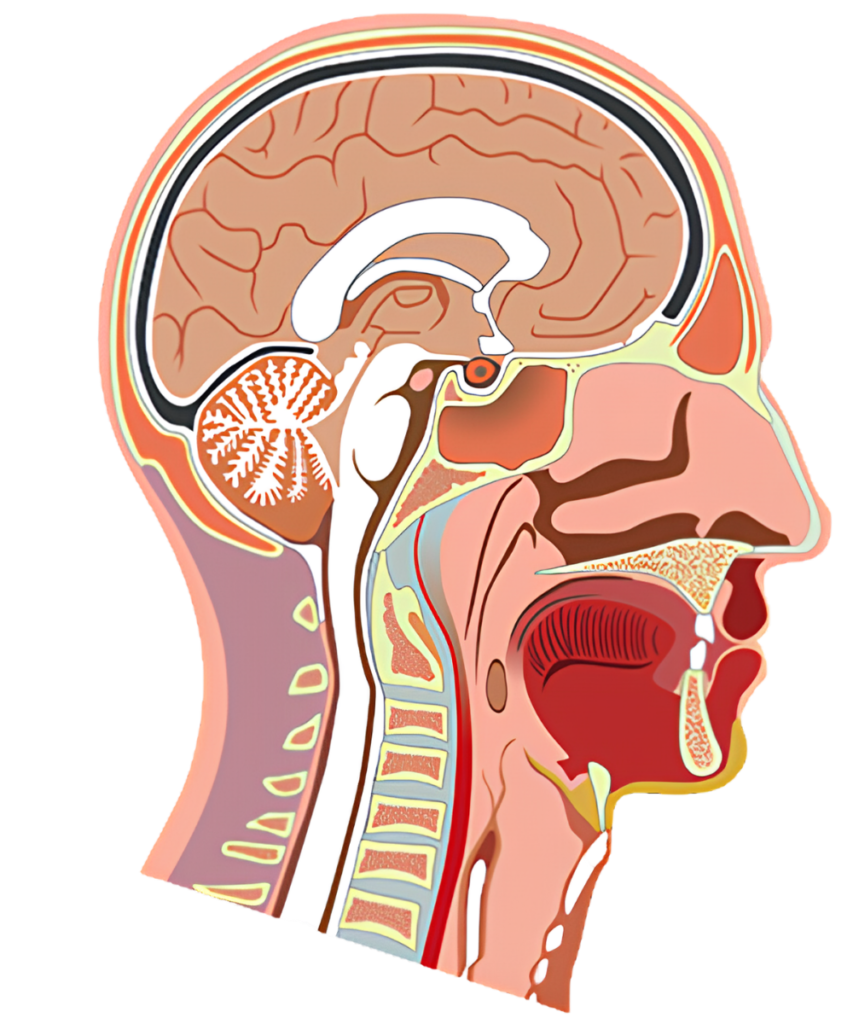
How Do We Know Where the Cancer Is?

The assessment begins with a detailed examination of the suspected area and the surrounding structures. Further investigations are selected according to the symptoms, suspected tumour site and initial findings.

01

Clinical Examination

The mouth, throat, neck, thyroid, salivary glands and other relevant areas are examined for visible or palpable abnormalities.

02

Endoscopic Assessment

Flexible or rigid endoscopy may be used to examine areas such as the throat, larynx, nose and other regions that cannot be adequately assessed externally.

03

Biopsy & Pathology

A tissue sample may be taken from a suspicious lesion to confirm whether cancer is present and determine its pathological type.

04

Imaging

CT, MRI or PET-CT may be used to assess tumour size, deeper tissue involvement, lymph nodes and possible spread.

How Is the Surgery Planned?

Before surgery, examination findings, biopsy results and imaging are reviewed to understand the tumour and the structures involved. The surgical plan is then developed around adequate cancer removal and preservation of important functions wherever possible.

Depending on the cancer site, surgery may involve:

Your Head & Neck Cancer Surgeon

Dr. Akshar Patel is a Board-certified Head & Neck Surgical Oncologist with dedicated expertise in the diagnosis and surgical management of head and neck cancers.

His surgical practice includes oral cancer surgery, thyroid and parathyroid surgery, laryngeal cancer surgery, parotid and salivary gland tumour surgery and microvascular reconstructive head and neck surgery.

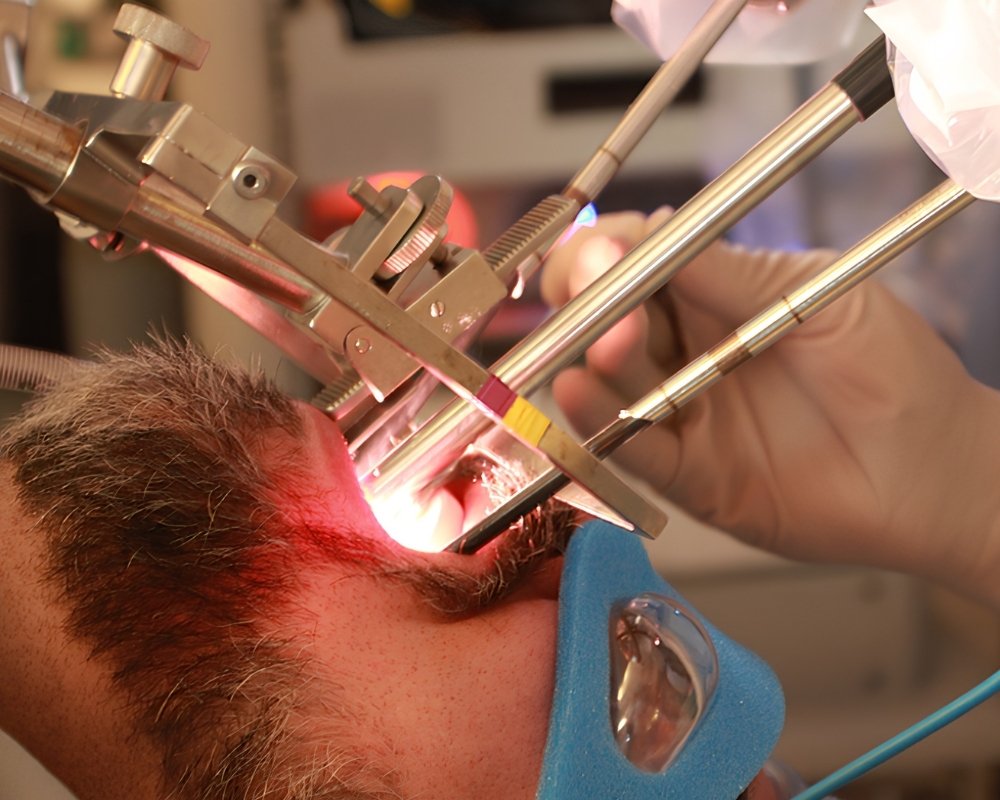
He also performs minimally invasive and endoscopic procedures, including Transoral Laser Microsurgery (TLM) and other approaches selected according to the tumour location and extent. His surgical planning considers both cancer clearance and the preservation or restoration of speech, swallowing, breathing and appearance.

He is an active member of the Indian Association of Surgical Oncology (IASO), American Society of Clinical Oncology (ASCO), and Society of Surgical Oncology (SSO) and participates in national and international oncology meetings and academic activities.

Dr. Akshar Patel - Consultant Head & Neck Cancer Surgeon

Explore Head & Neck Cancer Surgery

Head and neck cancer surgery can involve different organs, structures and surgical techniques. Explore the individual treatment areas to understand the procedures and treatment considerations for each condition.

Oral Cancer Surgery

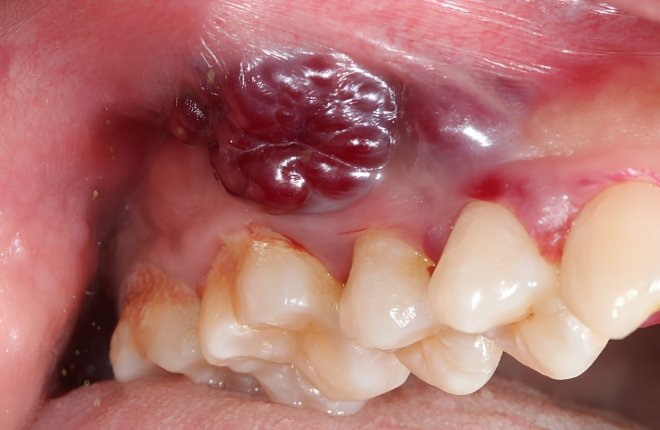
Surgery for cancers affecting the tongue, gums, inner cheek, floor of the mouth, palate and other areas of the oral cavity.

Thyroid & Parathyroid Surgery

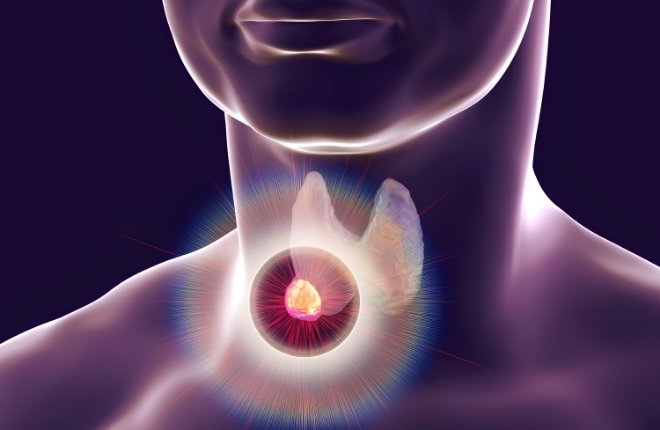
Surgical treatment for thyroid nodules, thyroid cancer, goitre and disorders requiring operative management.

Parotid & Salivary Gland Tumour Surgery

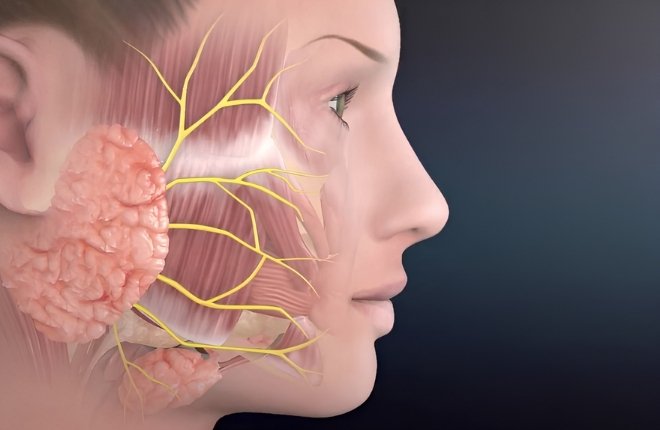
Surgery for benign and malignant tumours involving the parotid, submandibular and other salivary glands.

Laryngeal & Hypopharyngeal Cancer Surgery

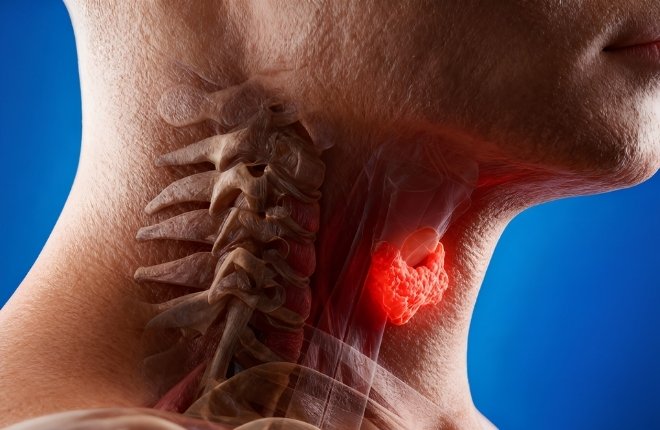
Surgical treatment for cancers of the voice box and hypopharynx, including endoscopic, laser, partial and total laryngeal procedures.

Microvascular Reconstructive Head & Neck Surgery

Reconstruction using transferred tissue & microsurgical blood vessel connections after extensive head & neck cancer resections.

What Happens During Your Consultation?

A consultation focuses on understanding the diagnosis, assessing the extent of disease and deciding which treatment approach is appropriate.

Review Your Reports

Dr. Akshar Patel reviews biopsy results, scans, previous treatment records and other available investigations related to the suspected cancer.

Assess the Disease

The relevant area of the head and neck is examined and the tumour's location, extent and involvement of nearby structures are assessed.

Discuss the Treatment

The proposed surgery, possible neck treatment, reconstruction, functional effects and need for additional cancer treatment are explained before proceeding.
Support After Head & Neck Cancer Surgery

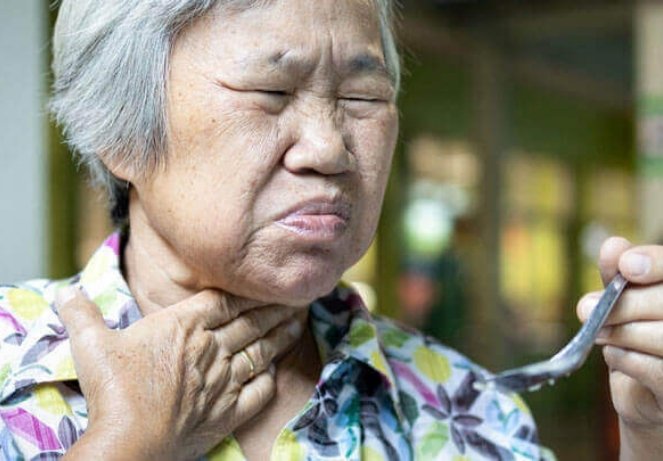
Swallowing & Speech Rehabilitation

Support for speech, swallowing and communication after extensive head and neck surgery.

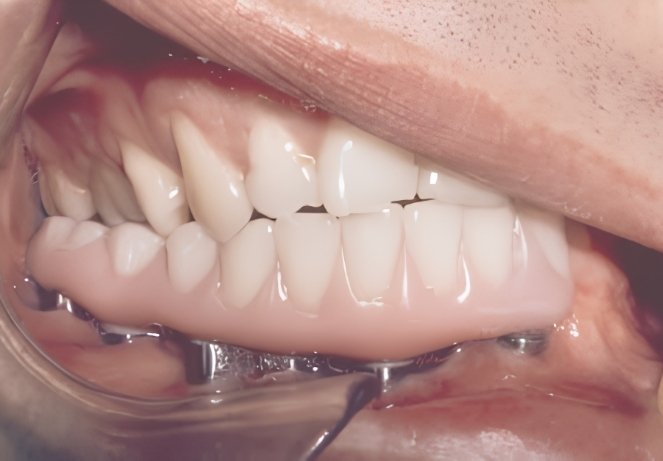
Dental Rehabilitation

Restoring oral function and dental health following surgery involving the jaw or oral cavity.

Physiotherapy

Guided exercises to support movement, strength and physical recovery following major surgery.

Nutrition Care

Nutritional assessment and dietary support to maintain adequate intake during recovery.

Frequently Asked Questions

No. Treatment depends on the cancer type, location and stage. Surgery may be used alone or combined with radiation, chemotherapy or other treatments.

Not always. Neck dissection is performed when lymph nodes contain cancer or when the risk of hidden nodal disease makes neck treatment appropriate.

Selected cancers can be treated through endoscopic or minimally invasive approaches. The suitability depends mainly on tumour location, size and extent.

The effect depends on the structures involved and the amount of tissue removed. Larger operations may require speech, swallowing or nutritional rehabilitation during recovery.

Reconstruction may be required when tumour removal creates a significant defect involving the mouth, jaw, throat, face or other important structures.

Some patients need no further treatment after complete surgical removal, while others may require radiation, chemotherapy or combined treatment based on the final pathology.

Take the Next Step

Head and neck cancers require treatment based on their exact location, stage and relationship with surrounding structures. A detailed assessment helps determine whether surgery is appropriate and what type of procedure may be required.

Dr. Akshar Patel provides surgical management across the head and neck, including oral, laryngeal, thyroid, parotid and salivary gland cancers, along with microvascular reconstruction when required. Book a consultation to discuss your diagnosis, reports and treatment options.

Call Us

+91 87586 07012

Visit Us

Epic Hospital

Scroll to Top