Oral Cancer Surgery in Ahmedabad
About Oral Cancer Surgery
Oral cancer can affect the tongue, gums, inner cheek, floor of the mouth, palate, lips and other areas within the oral cavity. Surgery is often an important part of treatment, but the procedure depends on the tumour’s location, size, depth and spread.
Dr. Akshar Patel is a Head & Neck Surgical Oncologist with experience in treating oral cancers through appropriate tumour removal, neck surgery and reconstructive procedures when required. The surgical plan focuses on achieving adequate cancer clearance while considering important functions such as speech, swallowing and chewing.
For patients looking for Oral Cancer Surgery in Ahmedabad, the first step is a careful assessment of the disease and its extent before deciding on the appropriate surgical approach.
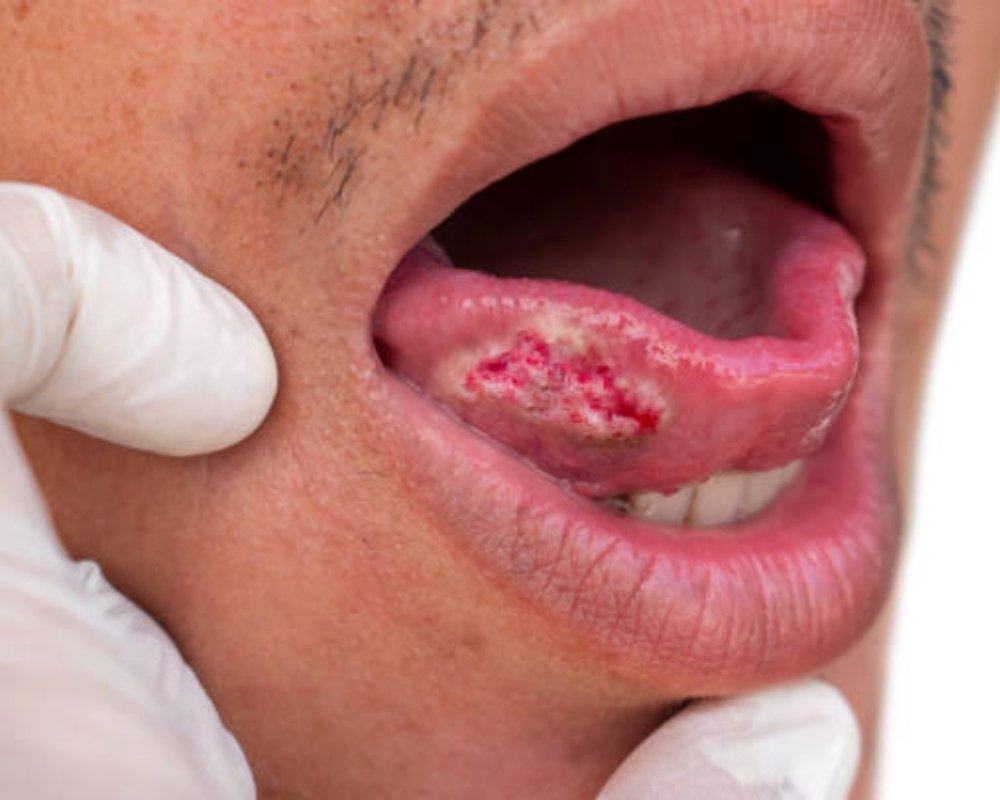
When Should You Get an Oral Lesion Checked?
Not every mouth ulcer, patch or lump is cancer. However, a lesion that persists or keeps changing should not be repeatedly ignored or treated without finding its cause. You should seek an evaluation if you notice:
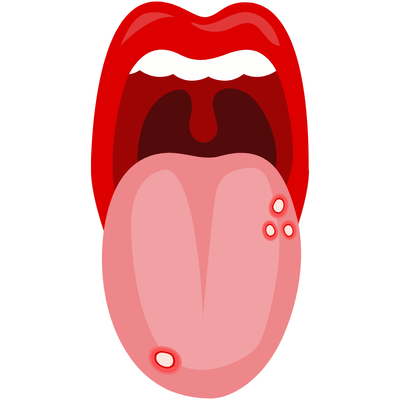
Non-Healing Ulcer

Red or White Patch

Swallowing Difficulty
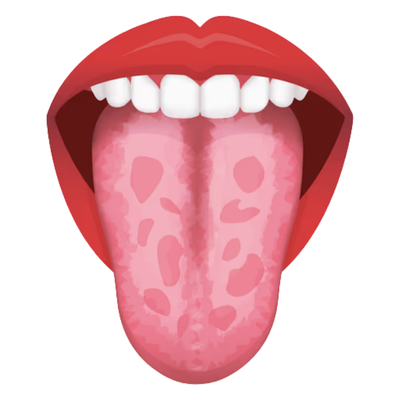
Tongue Changes
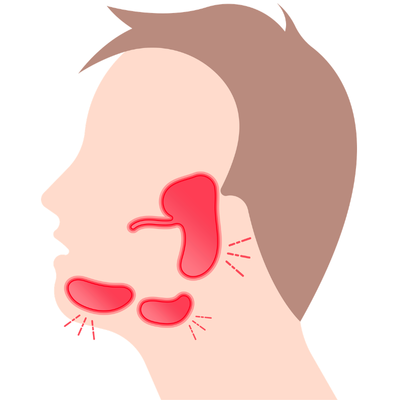
Mouth Numbness
Where Can Oral Cancer Develop?
Oral cancer can develop in several different parts of the mouth. Its exact location affects the type and extent of surgery required.
How Do We Know How Far It Has Spread?
A biopsy is generally needed to confirm oral cancer. Once cancer is diagnosed, further assessment helps determine its stage and guide the surgical plan.
01
Examination
The mouth, tongue, gums, palate and neck are examined to assess the lesion and check for suspicious lymph nodes.
02
Imaging
CT, MRI or PET-CT may be advised to assess tumour spread, deeper tissue involvement, the jaw and neck lymph nodes.
03
Biopsy & Pathology
A tissue sample confirms the diagnosis and identifies the cancer type, while final pathology assesses margins and tumour features.
04
Neck Assessment
The neck is assessed for lymph node involvement, including the possibility of microscopic spread that may not cause a visible lump.
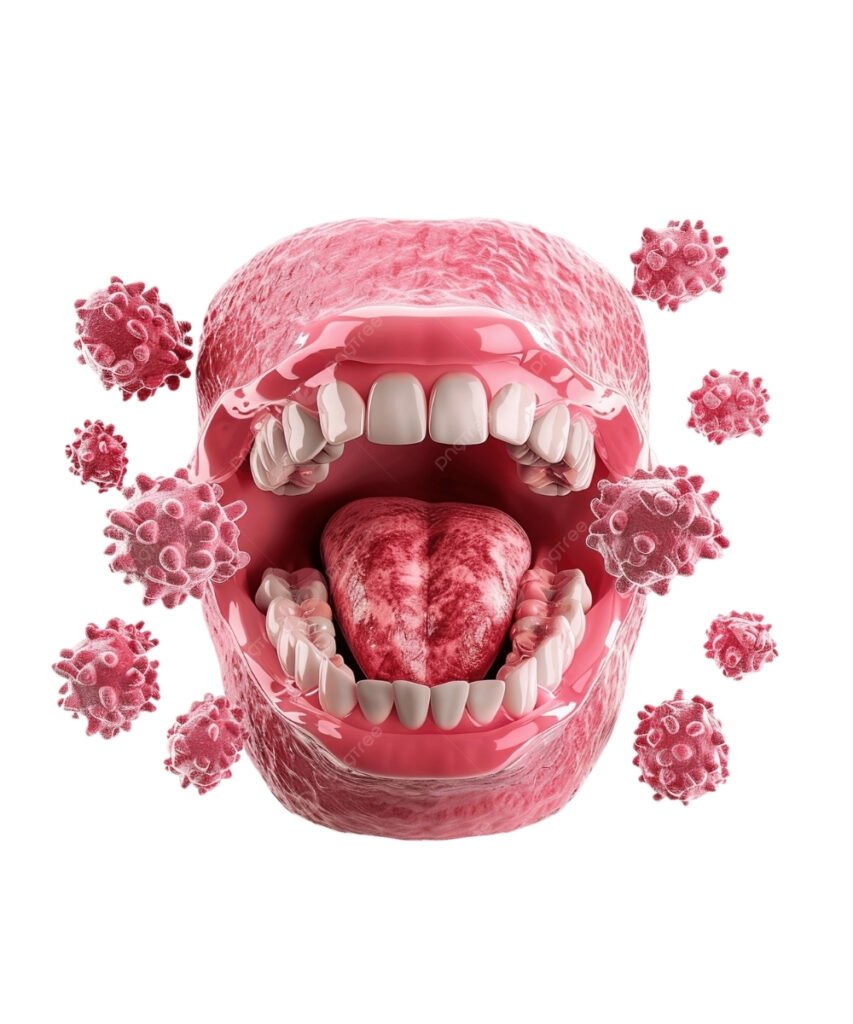
How Is the Surgery Planned?
There is no single operation used for every oral cancer. The procedure is selected according to the tumour’s location, size, depth and relationship with nearby structures.
For a smaller tumour, surgery may involve removing the cancer with a surrounding margin of healthy-looking tissue. When the tumour is more extensive, surgery may also involve:

- Removal of part of the tongue
- Removal of involved cheek or floor-of-mouth tissues
- Removal of part of the jawbone
- Neck dissection to remove affected or at-risk lymph nodes
- Reconstruction of the resulting defect
Your Oral Cancer Surgeon
Dr. Akshar Patel is a Board-certified Head & Neck Surgical Oncologist with dedicated experience in the surgical management of oral and other head and neck cancers.
His surgical practice includes oral cancer surgery, neck dissection, minimally invasive approaches, complex oncologic resections and microvascular reconstruction. He also manages cancers involving the larynx, pharynx, thyroid, salivary glands and skull base.
For oral cancer, his approach begins with understanding the tumour’s exact location and extent, followed by planning the required resection and reconstruction where necessary. The treatment plan also considers speech, swallowing, chewing and recovery after surgery.
He is an active member of the Indian Association of Surgical Oncology (IASO), American Society of Clinical Oncology (ASCO), and Society of Surgical Oncology (SSO) and participates in national and international oncology meetings and academic activities.

Dr. Akshar Patel - Consultant Head & Neck Cancer Surgeon
What Does Oral Cancer Surgery Involve?
The type of surgery depends on the tumour’s location, size and extent of spread. Treatment may involve removing the tumour alone or combining it with tongue, jaw or neck surgery, followed by reconstruction when required.
Wide Local Excision
The tumour is removed along with a margin of surrounding tissue to achieve adequate cancer clearance. The specimen is then examined to assess the tumour and surgical margins.
Partial Glossectomy
The affected portion of the tongue is removed when cancer involves the tongue. The extent of surgery depends mainly on the tumour’s size, depth and location.
Neck Dissection
Selected lymph nodes and surrounding tissues are removed when cancer has spread to the neck or carries a significant risk of microscopic lymph node involvement.
Jaw Resection
The involved portion of the jawbone is removed when the tumour has invaded the bone. The extent of removal depends on how deeply and extensively the cancer has spread.
Composite or Commando Surgery
Advanced oral cancers may require removal of the primary tumour along with nearby involved structures. This can include part of the jaw and selected neck lymph nodes.
Support After Oral Cancer Surgery
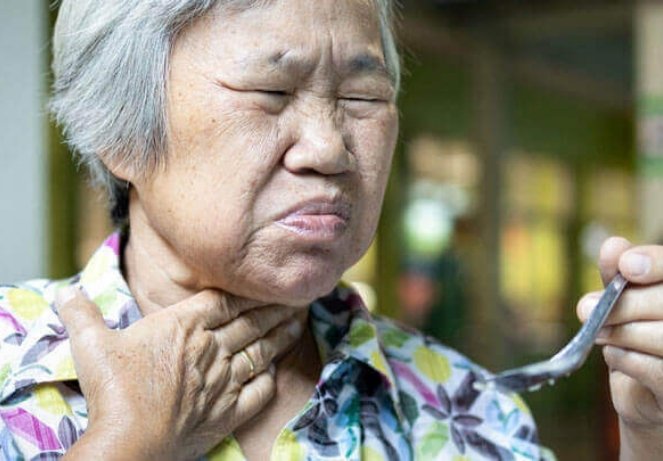
Swallowing & Speech Rehabilitation
Support for speech, swallowing and communication after extensive head and neck surgery.
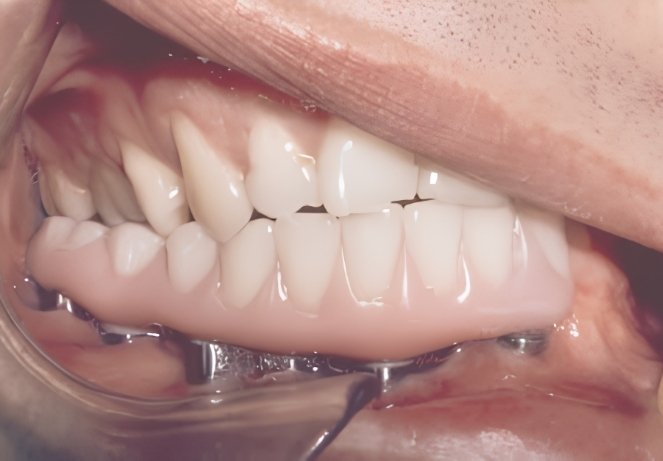
Dental Rehabilitation
Restoring oral function and dental health following surgery involving the jaw or oral cavity.

Physiotherapy
Guided exercises to support movement, strength and physical recovery following major surgery.

Nutrition Care
Nutritional assessment and dietary support to maintain adequate intake during recovery.
What Happens During Your Oral Cancer Consultation?
A consultation begins with understanding the diagnosis and determining what information is needed before treatment can be planned. Dr. Akshar Patel may review:

Review Your History
Dr. Akshar Patel discusses your symptoms, medical history and previous treatments, including how long the oral lesion has been present.
Assess the Disease
The mouth and neck are examined, while biopsy reports and available CT, MRI or PET-CT scans are reviewed to assess the tumour’s extent.
Discuss the Treatment
Based on the findings, the required surgery, possible neck treatment, reconstruction and expected recovery are explained before a treatment plan is decided.
Frequently Asked Questions
Is oral cancer surgery always required?
Surgery is a common treatment for oral cancer, but it is not required in every case. Depending on the tumour’s location and stage, radiation, chemotherapy or combined treatment may also be considered.
Will I be able to speak and eat normally after surgery?
Recovery depends on the tumour’s location, the extent of surgery and the tissues removed. Larger procedures may affect speech or swallowing and may require rehabilitation during recovery.
Why is reconstruction needed?
Reconstruction may be needed after larger tumour resections that affect the tongue, jaw, cheek or other structures. It helps restore missing tissue and support speech, swallowing, chewing and facial structure.
Does oral cancer surgery always involve the jaw?
No. Jaw surgery is considered only when the tumour involves or has invaded the jawbone. The amount of bone removed depends on the location, depth and extent of tumour involvement.
What is a neck dissection?
Neck dissection involves removing selected lymph nodes and surrounding tissues from the neck. It may be recommended when cancer has spread or there is a significant risk of hidden lymph node involvement.
Can oral cancer return after surgery?
Oral cancer can recur after treatment, which is why regular follow-up is important. Follow-up examinations help monitor the treated area and neck and identify concerning changes at an early stage.

Take the Next Step
If you have a persistent oral lesion or have already been diagnosed with oral cancer, understanding the location and extent of the disease is the starting point for deciding on treatment.
Dr. Akshar Patel provides surgical treatment for oral and other head and neck cancers, including tumour resection, neck dissection and reconstructive surgery when required.